Maintaining a balanced wellness routine involves more than following a healthy diet or exercising regularly. It also means making time for recovery, relaxation, skincare, and habits that support overall well-being. Full body red light therapy has gained attention as a wellness option that uses specific wavelengths of red and near-infrared light to interact with the body’s tissues. People may incorporate it into their routines to support skin health, explore muscle recovery benefits, or establish a consistent self-care practice. Understanding how this therapy works, what it may offer, and how to use it responsibly can help individuals decide whether it fits their personal wellness goals.
Understanding Full Body Red Light Therapy
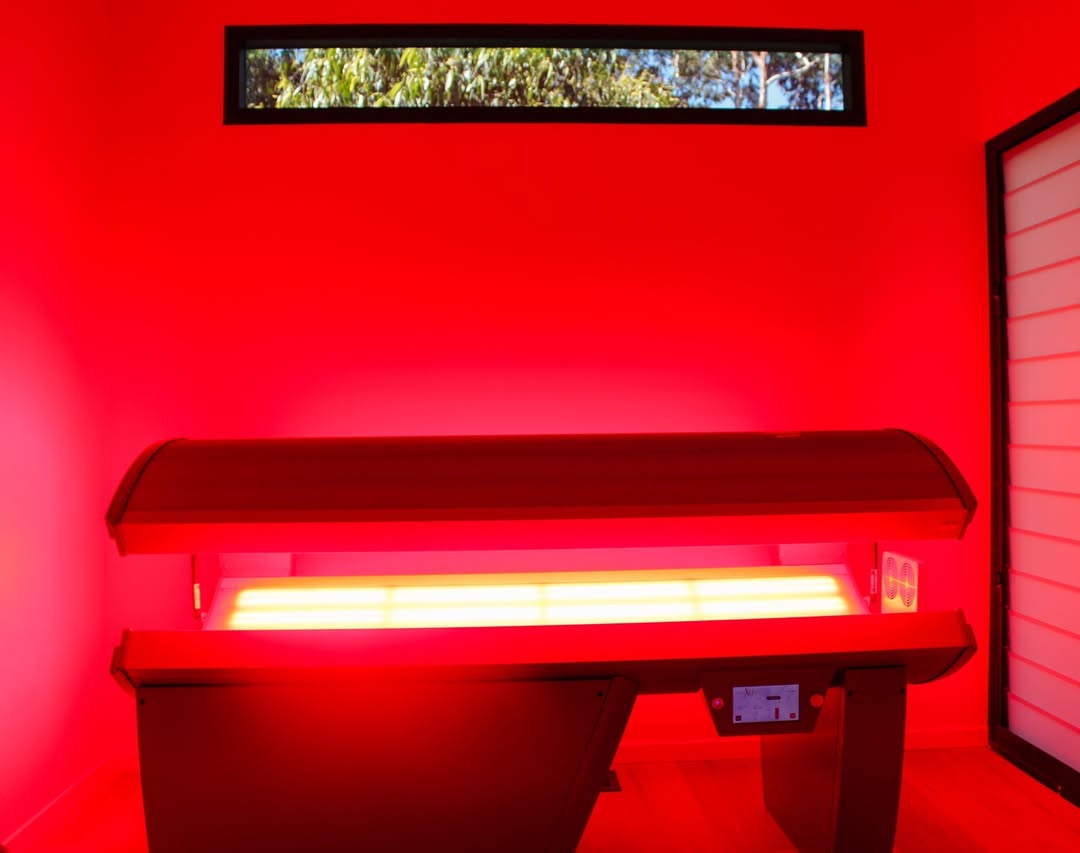
Full body red light therapy involves exposing large areas of the body to red light, near-infrared light, or a combination of both. It is commonly delivered through specialised panels, light beds, or other devices designed to provide light exposure across multiple body areas during a session. Unlike ultraviolet light, which can damage skin and contribute to premature ageing, red light therapy does not rely on UV radiation. The treatment is often discussed in connection with photobiomodulation, a process in which particular wavelengths of light interact with cells and may influence biological activity. Red light therapy for your whole body can be explored with Aesthetic Bureau’s Total Xen Red Light Bed, designed to deliver full-body red and near-infrared light exposure in professional wellness and aesthetic clinics.
The potential effects depend on several factors, including the wavelength used, light intensity, treatment duration, device design, and frequency of use. Research has explored photobiomodulation for various applications, including certain skin concerns and aspects of muscle recovery, but the strength of evidence varies by condition and treatment method. Full body exposure should not automatically be considered more effective than targeted treatment. Understanding these distinctions helps people establish realistic expectations and avoid treating red light therapy as a replacement for medical care or established healthy habits.
Supporting Skin Care and Everyday Self-Care
One reason people include red light therapy in their wellness routines is its potential role in supporting skin health. Certain red light treatments have been studied for their effects on skin appearance, including aspects of texture, fine lines, and collagen-related activity. However, results vary, and outcomes depend on the device, treatment protocol, and individual circumstances. Full body devices may offer convenient exposure across larger areas, while targeted devices may be more suitable when the primary goal involves a particular part of the body.
For a balanced skincare routine, red light therapy should complement rather than replace basic skin care practices. Gentle cleansing, moisturising, sun protection, adequate hydration, and appropriate nutrition remain important elements of daily care. People should follow the manufacturer’s instructions for treatment distance and duration, use recommended eye protection, and avoid assuming that longer sessions will produce better results. Combining reasonable treatment habits with established skincare practices creates a more practical approach to maintaining skin health.
Incorporating Red Light Therapy into Muscle Recovery
Physical activity is an important part of many wellness routines, but exercise also requires adequate recovery. Some research suggests that particular photobiomodulation protocols may help with aspects of exercise-related muscle recovery, discomfort, or performance. Nevertheless, findings are not uniform, and evidence from targeted treatments cannot always be applied directly to full body red light therapy devices. The results may depend on the type of exercise, the treatment parameters, and the individual receiving the treatment.
People who exercise regularly can consider red light therapy as a supplementary practice rather than the foundation of recovery. Proper sleep, sufficient protein and overall food intake, hydration, rest days, and gradual training progression remain essential. A person might schedule a light therapy session at a convenient time around their exercise routine, provided the device instructions support that use. Monitoring comfort and recovery over time can help determine whether the additional practice feels useful, although perceived improvements do not necessarily demonstrate a direct treatment effect.
Creating a Consistent Wellness Schedule
Consistency is often easier to maintain when wellness activities fit naturally into an existing schedule. Instead of adding lengthy sessions to an already demanding day, individuals can identify a realistic time that allows them to use the device without rushing. Some people may prefer a session after work, while others may find it convenient to include it in an evening self-care routine. The appropriate frequency and duration depend on the specific device and its instructions, so there is no single schedule that suits everyone.
Starting with the recommended settings and keeping a simple record of session dates, duration, and any noticeable skin reactions can help users develop a more organised approach. It is important not to increase exposure simply because results are not immediately visible. More frequent or longer sessions are not necessarily more beneficial and may increase the risk of irritation or discomfort. A sustainable routine should remain flexible, allowing individuals to adjust or stop treatment if they experience unwanted effects.
Combining Red Light Therapy with Other Healthy Habits
A comprehensive wellness routine works best when different habits support one another. Red light therapy can be considered alongside regular physical activity, balanced meals, sufficient sleep, stress management, and time for relaxation. For example, someone might combine a short self-care session with a broader evening routine that includes reducing screen time, preparing for the following day, and maintaining a regular bedtime. These activities serve different purposes, but together they can help make wellness practices more manageable.
It is also helpful to remember that no single treatment can compensate for consistently poor sleep, limited physical activity, or an unbalanced diet. Red light therapy should be viewed as an optional addition whose value depends on personal goals, available evidence, and individual response. Setting clear expectations and focusing on sustainable habits can prevent wellness routines from becoming unnecessarily complicated or expensive.
Safety Considerations Before Starting Treatment
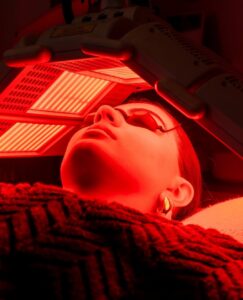
Although red light therapy is generally considered well tolerated when used appropriately, it is not suitable for every situation or every device setting. Possible effects include temporary redness, irritation, warmth, or eye discomfort. Users should follow the device manufacturer’s safety guidance, avoid looking directly into bright light sources, and use eye protection when recommended. Devices can differ significantly in their output and intended use, so instructions for one product should not automatically be applied to another.
People with photosensitivity, certain eye conditions, or medical conditions affected by light exposure should consult a qualified healthcare professional before beginning treatment. The same precaution applies to individuals taking medicines that increase sensitivity to light or managing an ongoing medical concern. Anyone experiencing persistent irritation, pain, or visual symptoms should stop treatment and seek appropriate medical advice. It is also important not to use a wellness device to diagnose, treat, or delay care for a medical condition without professional guidance.
Conclusion
Full body red light therapy can be incorporated into a wellness routine as an optional practice focused on self-care, with potential applications in skin health and aspects of recovery. Its benefits depend on the treatment method, device specifications, and individual circumstances, and research does not support every claim made about whole body treatments. For a sensible approach, follow device instructions, maintain realistic expectations, and prioritise sleep, exercise, nutrition, and established skincare habits. When used responsibly and with appropriate safety precautions, red light therapy may form one part of a balanced routine designed around individual wellness goals.