

In the world of cooking, pots and pans might not seem like the biggest culprits of environmental harm, but choosing the right cookware can make a big diffrence for both your health and the planet. Sustainable and eco-friendly cookware isn’t just a trend – it’s a step towards a cleaner, greener kitchen. Let’s dive into the world of sustainable cookware and how you can make better choices for your home!
Why Choose Non Toxic Cookware?
When it comes to cooking, safety isn’t just about avoiding burnt food. Using Non Toxic Cookware is super important because some traditional cookware can leach harmful chemicals into your food. Non-stick pans, especially older ones, might contain PFOA or PTFE (which are scary-sounding chemicals, trust me). Over time, these can break down and release toxins into the air or food. Gross, right?
Eco-friendly cookware options are not just good for your body but also the environment. Many are made from sustainable materials that reduce waste and are designed to last longer. It’s like killing two birds with one pan – but not literally because that would be unsustainable! At https://housewiseup.com/, we cover everything from home design to choosing the safest non-toxic cookware for your modern kitchen.
What Makes Cookware Eco-Friendly?

Before you swap out all your kitchen gear, it’s important to know what makes cookware eco-friendly. Some features to look for are:
- Sustainable Materials – Look for cookware made from recycled or renewable materials like stainless steel, bamboo, or ceramic.
- Durability – Long-lasting cookware means less waste. Buying a cheap pan that lasts two years is less eco-friendly than investing in a high-quality one that lasts for decades.
- Non-Toxic Coatings – Opt for coatings that are free from harmful chemicals like PTFE or lead.
- Energy Efficiency – Cookware that heats up quickly and evenly can reduce cooking time, saving energy in the process.
Types of Eco-Friendly Cookware 🍲
There’s a wide variety of sustainable cookware available today. Here’s a quick overview of some popular options:
1. Stainless Steel Cookware
Stainless steel is like the superhero of the kitchen – durable, recyclable, and free from nasty chemicals. Plus, it doesn’t stain or react with acidic foods like tomatoes or lemons. However, you might need a bit of oil to prevent sticking, but hey, what’s a little extra flavor?
2. Cast Iron
Cast iron pans are heavy but worth it. They’re incredibly long-lasting and can be passed down through generations (as long as you don’t use them as weights for your workout). They even add a little iron to your food, which is a bonus for your health. Just don’t forget to season them to keep the rust away!
3. Ceramic Cookware
Ceramic pots and pans are non-stick and chemical-free. They’re made from natural materials and come in pretty colors too! The downside? They can be a bit fragile, so avoid dropping them unless you’re trying to test gravity.
4. Bamboo Utensils and Steamers
Okay, so they’re not exactly “cookware,” but bamboo utensils and steamers are a great addition to your eco-friendly kitchen. Bamboo is a fast-growing, renewable resource, and it’s super stylish. Plus, no more scratching your pots with metal spoons!
5. Glass Cookware
Glass isn’t just for windows. Glass cookware is a sustainable and stylish option for baking and storing food. It’s recyclable and doesn’t absorb stains or odors – but remember, it’s not shatterproof. Handle with care unless you like sweeping tiny shards of regret.
Tips for Maintaining Eco-Friendly Cookware
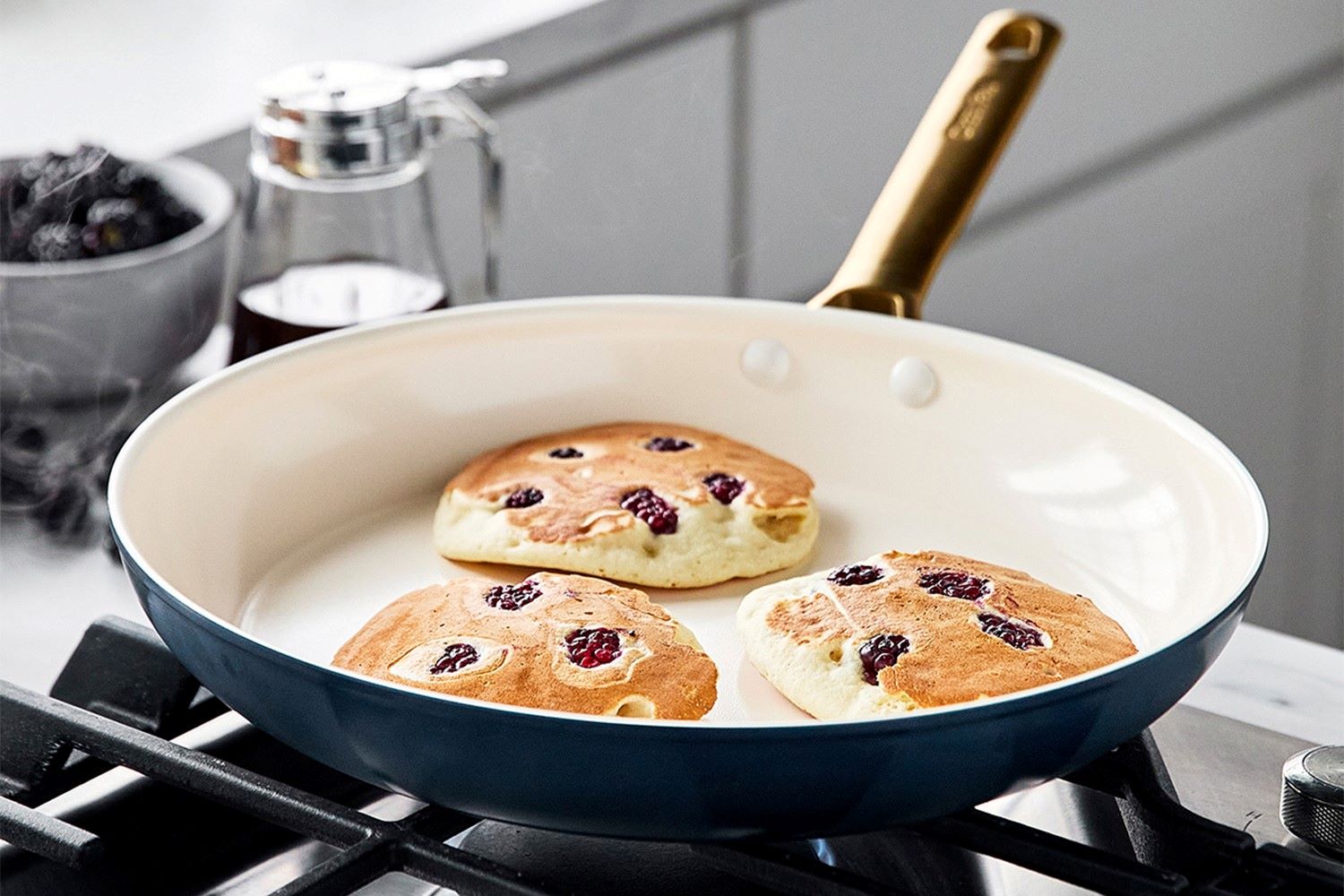
Eco-friendly cookware often lasts longer than traditional options, but only if you take care of it properly. Here are a few tips to keep your pans in tip-top shape:
- Avoid High Heat – Some materials like ceramic can’t handle extreme temperatures. Stick to medium heat for most of your cooking adventures.
- Use the Right Utensils – Wooden or silicone utensils are your best friends when using non-stick or ceramic cookware. Metal utensils are like the villains in this story.
- Clean Gently – Skip the harsh scrubbing. Use mild dish soap and a soft sponge to avoid damaging the surface.
- Store Properly – Stack your cookware carefully, or use protective pads to prevent scratches.
The Cost of Going Green
One common myth is that eco-friendly cookware is expensive. While some options might cost more upfront, they’re usually more durable, saving you money in the long run. Plus, think of all the brownie points you’ll earn from Mother Earth!
If you’re on a budget, look for sales, buy second-hand, or even consider swapping with friends. Who needs another frying pan when you can trade for that shiny stainless steel pot they never use?
Final Thoughts
Switching to sustainable and eco-friendly cookware is a small step with a big impact. Not only does it reduce your carbon footprint, but it also ensures that your meals are free from harmful chemicals. Remember, every little choice adds up, whether it’s using Non Toxic Cookware or simply being mindful of how you care for your kitchen tools.
So, go ahead and make your kitchen a greener space. Who knows? Maybe your food will taste even better when it’s cooked with love for the planet. Or maybe that’s just the seasoning.
Happy cooking! 🍳