

Basement waterproofing is a critical yet often overlooked aspect of home maintenance that can protect one of the most vulnerable areas of a house from water damage, mold growth, and structural problems. Whether you use your basement for storage, a living space, or as a foundation for your home, ensuring it remains dry is essential for maintaining property value and indoor air quality. In this article, we will explore the importance of basement waterproofing, common causes of water intrusion, and various methods available to safeguard your basement from the elements.
With the increasing frequency of severe weather events and changing climate patterns, homeowners are more aware than ever of the risks posed by a wet basement. From simple solutions like sealing cracks to comprehensive drainage systems, understanding the options available can empower homeowners to make informed decisions about their properties. Join us as we delve into the different techniques, benefits, and considerations of basement waterproofing, equipping you with the knowledge to protect your home and ensure a healthy living environment.
The Importance of Basement Waterproofing
Basement waterproofing not only enhances the longevity of your home but also plays a crucial role in ensuring a safe and healthy living environment. Water intrusion can lead to various issues, including mold growth, wood rot, and foundation cracks, which can compromise both the structural integrity of your home and the well-being of its inhabitants. By proactively investing in waterproofing measures, homeowners can prevent the costly repairs associated with water damage and create a dry, usable space. For insights on whether your basement needs waterproofing, you can explore this resource https://www.houzz.com/hznb/projects/does-a-basement-need-waterproofing-pj-vj~7596035.
Common Causes of Water Intrusion
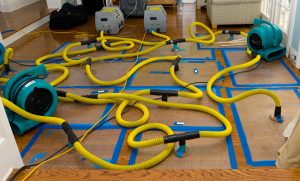
Understanding the common causes of water intrusion can help homeowners take appropriate preventative measures. Heavy rainfall, inadequate drainage systems, and poor grading around the foundation can direct water toward your basement. Additionally, plumbing leaks and condensation in poorly ventilated spaces can contribute to moisture buildup. By implementing comprehensive drainage strategies, sealing any visible cracks, and maintaining proper landscaping practices, homeowners can significantly reduce the risk of water seepage, thereby protecting their investment and ensuring a safe home environment.
In conclusion, the significance of basement waterproofing cannot be overstated, as it is integral to protecting not just the structural integrity of your home but also the health and safety of its occupants. By addressing the root causes of water intrusion and employing effective waterproofing solutions, homeowners can mitigate potential damage and create a functional, dry space that enhances the overall livability of their property. Investing in these preventative measures is a proactive approach that pays dividends in long-term maintenance costs, property value, and peace of mind. Ultimately, a well-waterproofed basement is not just a luxury; it’s a necessity that ensures your home remains a safe and welcoming haven for years to come.